Wall insulation in Jerome ID - warm rooms without tearing out your walls
Cold outside walls and drafty rooms usually mean empty or thin wall cavities. We fill them through small holes and patch them clean.
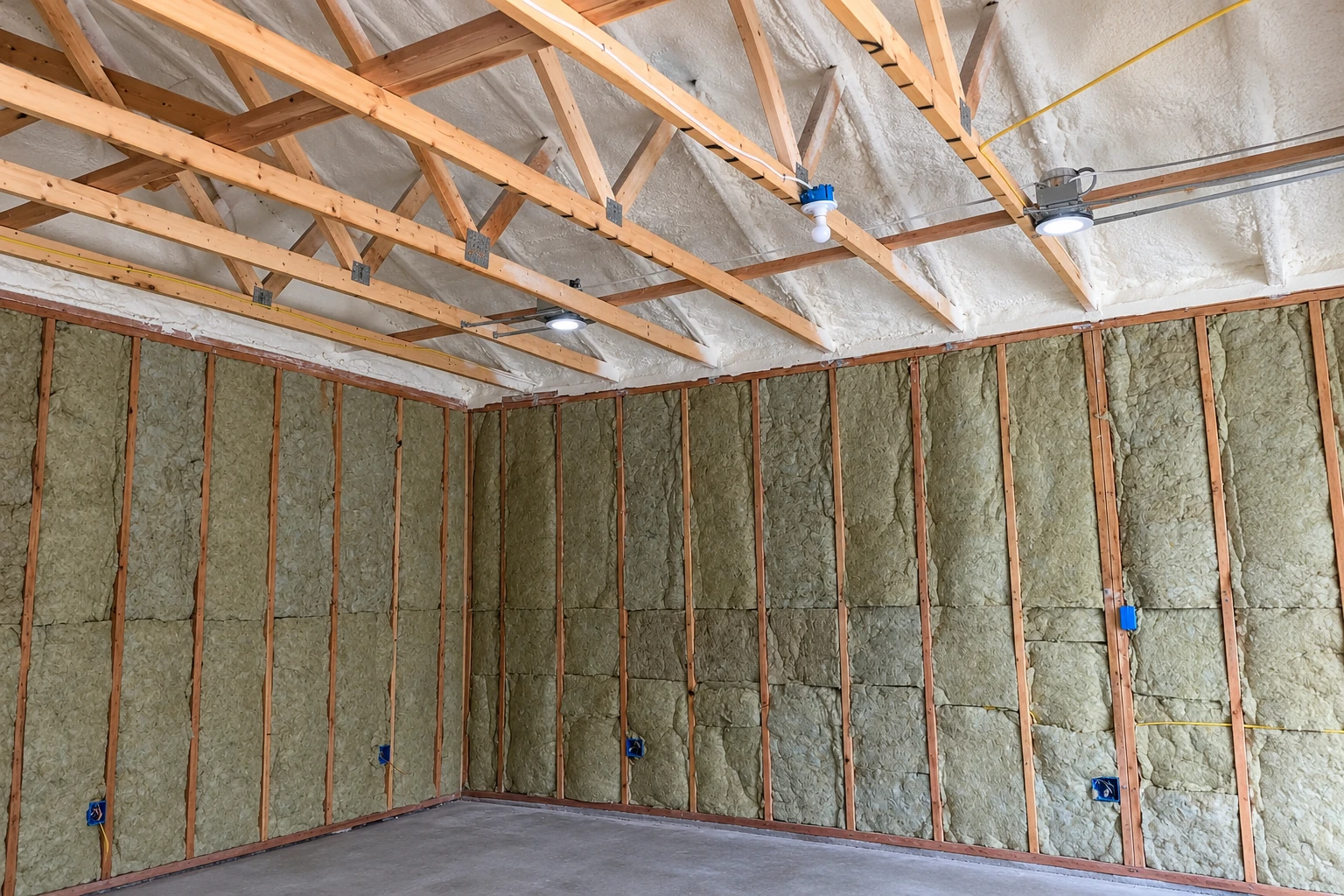
Can you insulate walls without opening them?Here's how we do it in Jerome
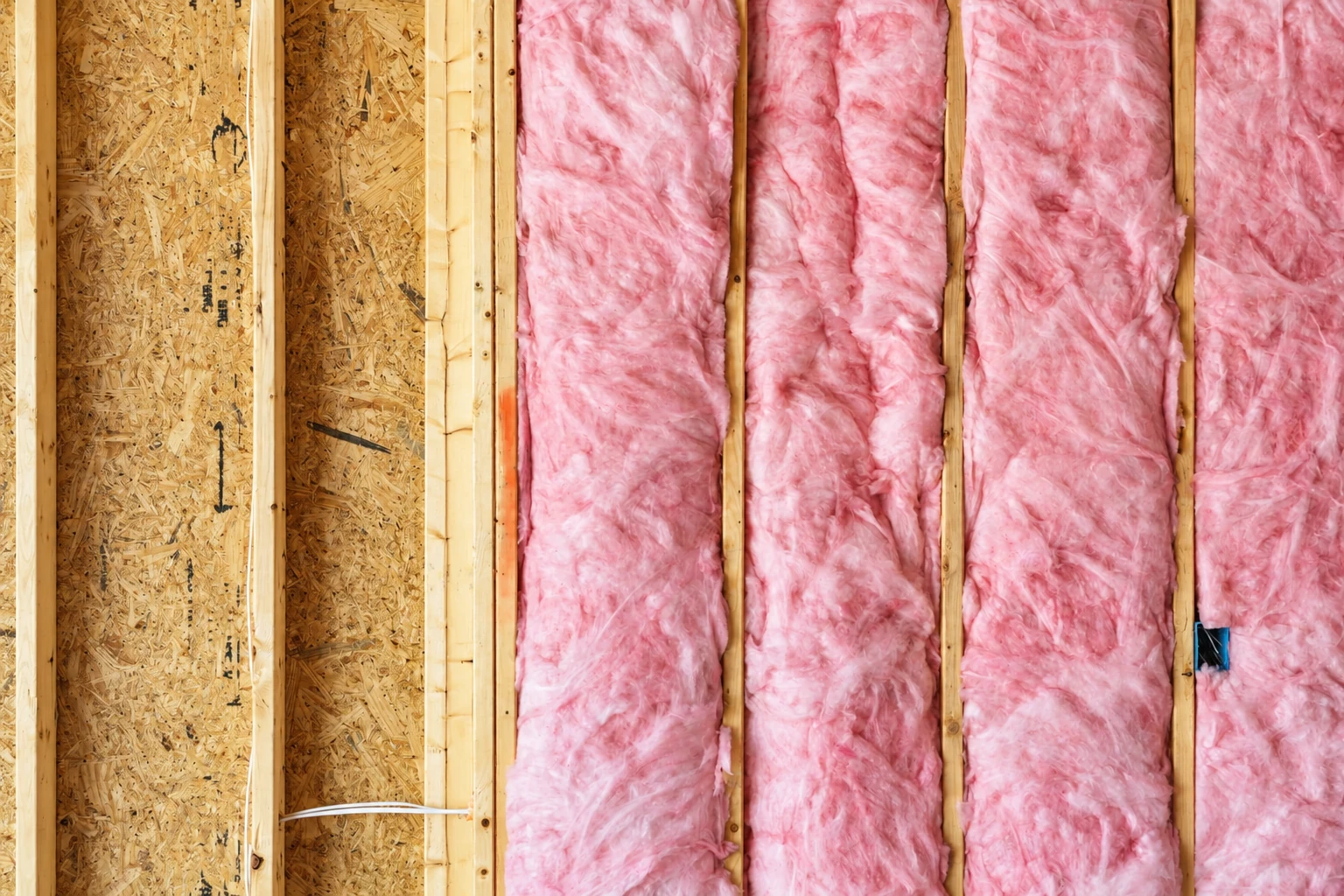
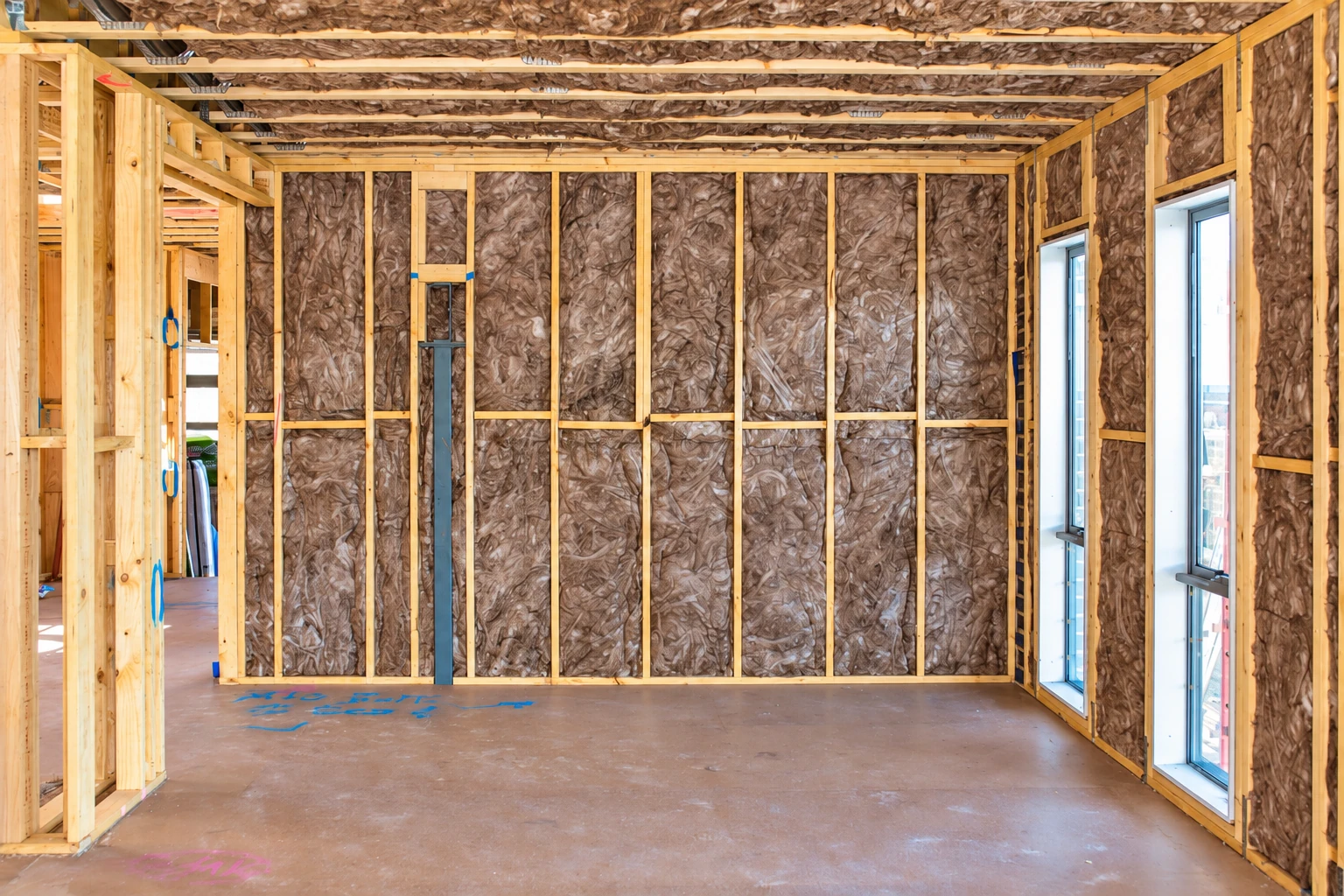
If one room never warms up, or an outside wall feels cold to your hand in January, the space between the studs is usually empty or the old fill has slumped. Most wall insulation calls we get in Jerome start that way, and at Steady Jerome Spray Foam Insulation we fill existing walls through small holes instead of tearing them open.
Before any of that, I look for water. Stains or soft spots in the siding, sheathing, window and door framing or the inside wall finish mean the leak gets found and fixed first, because insulation packed against a wet wall just hides the problem.
The price moves with how many walls we're filling, which side we work from, what the siding or plaster is like and what has to be fixed first. The schedule turns on those repairs, the permit question and, if you're re-siding soon, the siding crew. Your estimate is a written plan with photos and the fixes at the top.
You'll know what's in your walls, what we'll fix first and why before anyone drills a hole, so call us at (208) 544-9045.
Wall insulation for the walls you have
We pick the route by what's on both sides of the wall, and we'll suggest air sealing or basement insulation when the drafts or cold floors start somewhere else.
Drywall stud walls
Most houses here have these, and they're the simplest to fill. We drill a small hole near the top of each cavity, pack it full and patch the hole.
Plaster walls in older homes
Plaster takes more care to drill, and the house behind it is usually older. We check the wiring and paint before we plan where any holes go.
Walls getting new siding
Re-siding is the best time to insulate from outside, because the house wrap can be checked and put back right. If new siding is coming, we'll suggest doing the walls then.
Rigid foam outside
Foam boards over the sheathing cut the heat that slips out through the studs. They also slow drying to the outside, so the wall has to be able to dry inward.
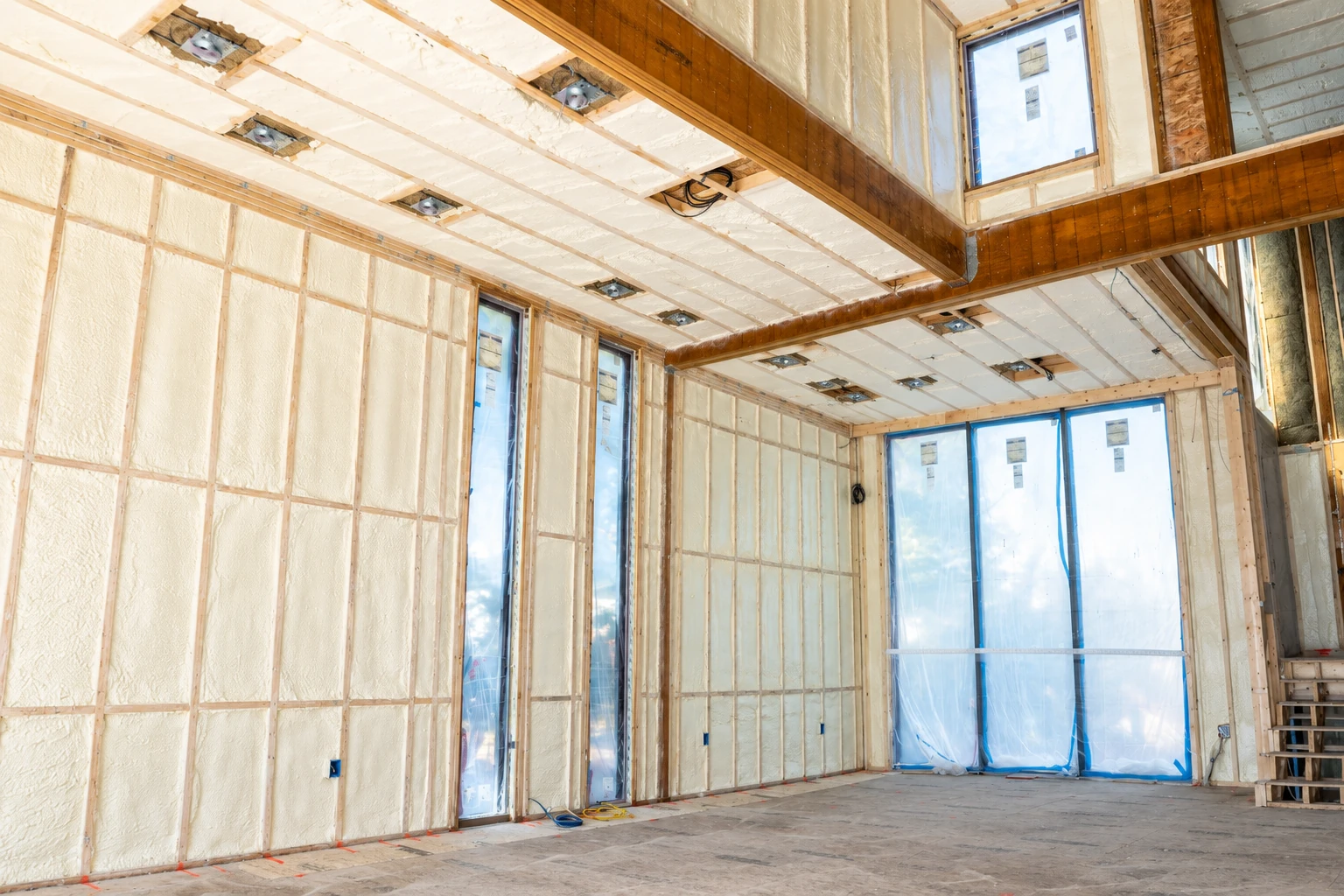
Why Jerome homeowners call Steady Jeromebefore anyone drills a hole
I'd rather you understand your house than take my word for it, so we explain what's behind your walls first and you'll know enough to judge our work.
I walk your walls with you
I come out myself, look at the walls inside and out with you, take photos and keep answering questions until the plan makes sense to you.
Repairs go to the top
If there's a leak, rot or wiring that needs work, it goes first on the written plan, because insulation over a problem only covers it up.
Our installers, checked by me
Our own installers do the drilling and filling, and I check the work and walk it with you before we call the job finished.
Licensed and insured for every job
We're licensed and insured, so you aren't carrying the risk while our installers are up a ladder or drilling into your walls.
Back at this work since 2021
I ran insulation jobs years ago and came back to the trade in 2021, because I missed the work and know what a careful job does for a house.
A free look at your wallsand the attic above them
Tell us your home's age, the shape your siding's in and any signs of moisture, and we'll reply within one business day to set up a free estimate at your property. There's no pressure and no obligation.
How a wall job runsfrom first call to walkthrough
I keep it simple, with one person to talk to from the first look to the final walkthrough and a written plan you can read before you decide anything.
You call or send a note
Call (208) 544-9045 or use the form, tell us which rooms run cold, and we'll get back to you to set a time for me to come look.
I look at the walls with you
I check the outside walls, siding, signs of water and the wiring in older houses, take photos, and write a plan that puts any fixes first.
Permits and prep
Once you say yes, we sort out the permit question with the right office and get repairs done. For inside work, we cover the floors and set up containment to keep dust in.
Our installers fill the walls
We drill a small hole near the top of each cavity, blow insulation in until the cavity is full, then plug and patch every hole.
Cleanup and walkthrough
We clean up, then I check the job and walk it with you, showing you where we drilled and what went into each wall.
Questions about wall insulation
Can you insulate existing walls without removing the drywall?
Yes, most existing walls can be filled through a small hole near the top of each stud cavity, drilled from inside or outside. We push blown-in insulation, loose fill sent through a hose, into each cavity until it's full, then patch the holes so the wall stays put.
What is the best way to insulate existing walls, from inside or outside?
Inside is the gentler route on your siding, and outside is the better one when new siding is going on anyway. Blowing from outside cuts through the house wrap behind your siding, the layer that sheds water, so it has to be patched or replaced, while working from inside leaves it alone. Which fits your house comes down to access and the shape that wrap is in, and I'll tell you on the estimate.
How do I insulate walls in a house built before 1980?
Start with the paint and the wiring, because lead safety rules can apply to homes built before 1980 depending on how much wall gets disturbed. The electrical code doesn't allow insulation on or around knob and tube wiring, the old wiring strung on porcelain knobs, so if it's still live in your walls it gets dealt with before we fill anything. The state may also require its own electrical permit for that wiring work.
Do I need a permit to insulate walls in Jerome, Idaho?
That isn't settled for insulation alone, so we check with the building office that covers your address before we start. Jerome County requires a building permit before any construction begins and can charge double fees if work starts first, while the City of Jerome's permit list names dwellings, additions, remodels and decks but not wall insulation. If your job needs a permit, we handle the application and set up the inspections.
Does an insulation contractor need to be registered in Idaho?
Yes, the state requires registration with the Idaho Division of Occupational and Professional Licenses for anyone taking on a construction job over $2,000 in materials and labor, unless they're exempt. If you're doing the work yourself on your own property and don't plan to sell within 12 months, you're exempt. If you're hiring, ask whoever you're considering whether they're registered.
How much does wall insulation cost in Jerome?
Your price comes down to how many walls we're filling and how we get into them, and I'll give you a written figure after I've seen the house. Plaster, going in from outside, and repairs that have to come first all add to it, while open drywall walls with no water trouble keep it down. Pairing the walls with new siding can also save a second round of work later.
Wall insulation around Jerome
We're based in Jerome and insulate walls in Twin Falls, Kimberly and other cities nearby, often in older wood-framed houses whose walls were never filled. Pick your city below or give us a call.
Book your wall insulation estimate in Jeromeand see what's in your walls
We answer the phone until 11 PM on weekdays, so call (208) 544-9045 after work or send the form with your home's age and siding condition. Satisfaction guaranteed on your wall insulation.